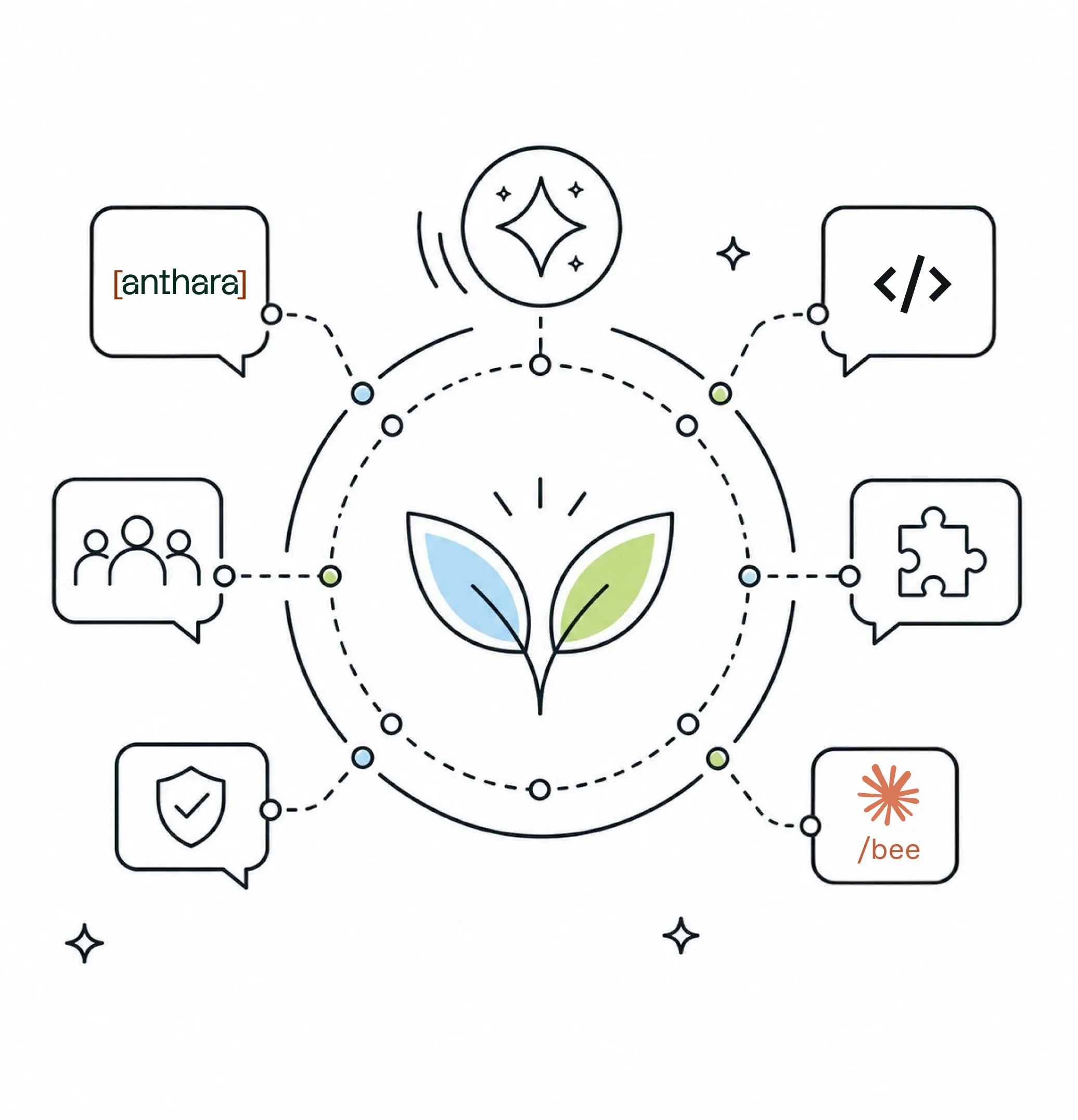
A playbook implemented for your organization. Customized to your standards, your tools, and the regulatory requirements health tech lives under. We leave when it is yours to run.
The conduct layer for enterprise AI in regulated software engineering. Codebase context, tool harnesses, MCP boundaries, quality gates, all of it in a product. Available from day one, without the engagement.
A standalone Claude Code plugin, open-sourced by Incubyte. Bee solves the upskilling side, it gets engineers moving with AI faster. It does not run on Anthara and does not replace the rest of the playbook.
Anthara is the whole playbook as a product. Codebase context, tool harnesses, MCP boundary, quality gates, live on day one. Plus every capability we add as the product grows.
bee is the open-source Claude Code plugin we built to upskill our own engineers on AI-assisted coding. It codifies our craft, sets a high bar for AI generated code, and solves the upskilling piece of the playbook. We use it daily. It’s free to install.
Questions engineering leaders ask before they hire us.
Questions engineering leaders ask before they hire us.
How do you handle PHI and PII?
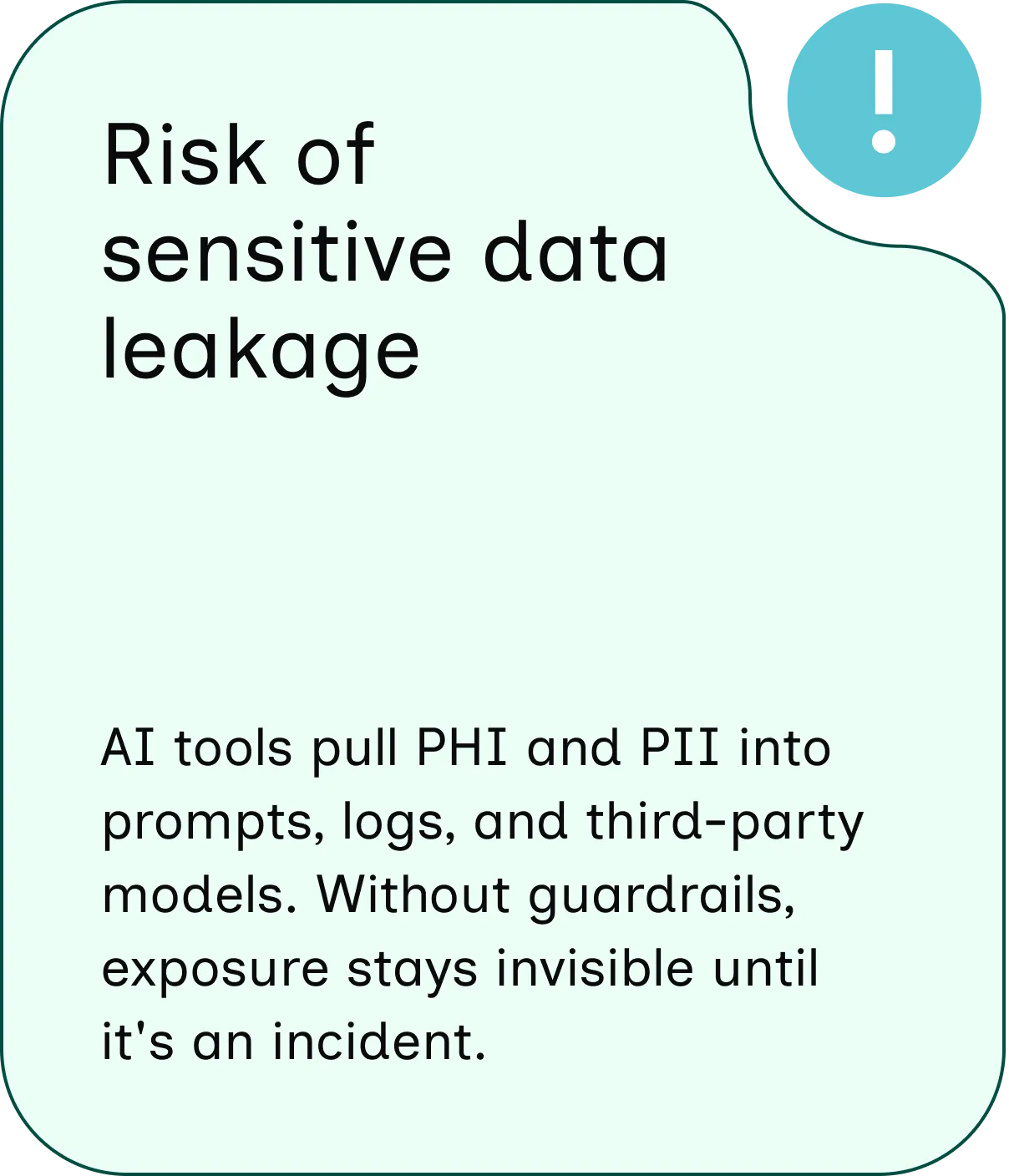
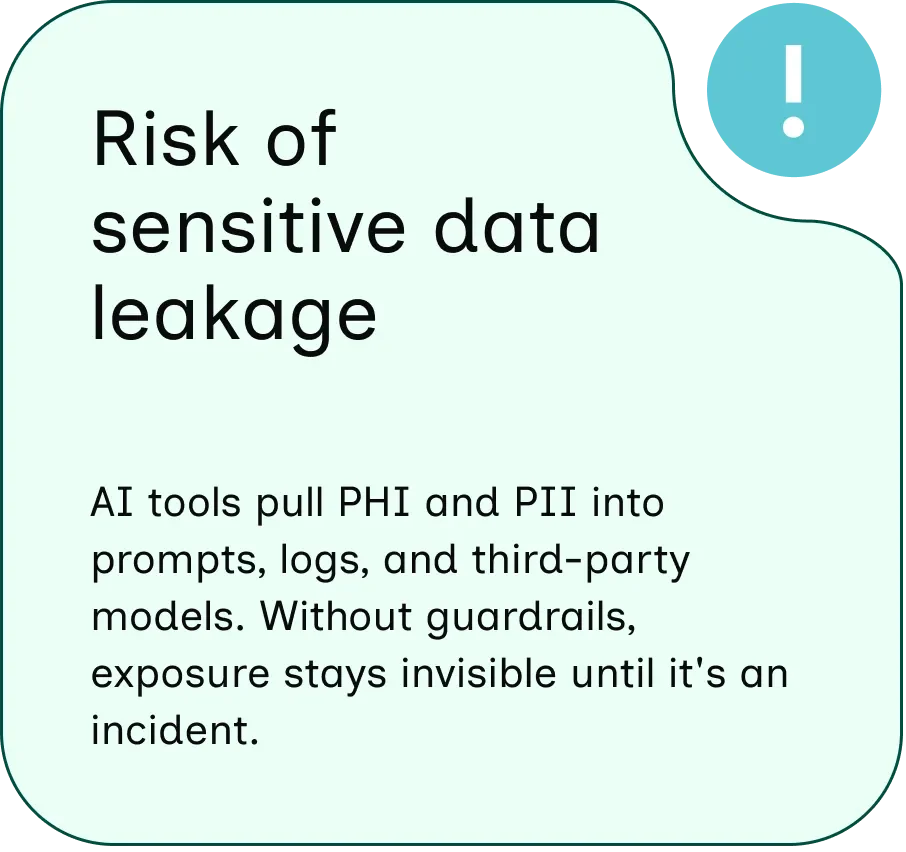
Nothing leaves your boundary. The gateway and the data-protection layer run inside your HIPAA-compliant infrastructure, prompts are screened before they reach a model, and every AI action lands in an audit log your compliance team can read.
Does the playbook honor our regulatory requirements?
Yes: HIPAA, HITRUST, SOC 2, FDA, GxP. The playbook configures around whatever your stack lives under. We have installed inside Medicare Advantage audit boundaries and in environments that shipped SOC 2 from day one.
What happens when engineers paste real data into prompts?
They can’t, once the playbook is installed. MCP whitelisting and blacklisting blocks general-purpose assistants from receiving PHI, and org-aware tools take their place.
How do you stop hallucinated code from shipping?
Acceptance criteria come before the first prompt, behavior evals run in the pipeline, and reviewer ladders sit on high-stakes changes. Generated code merges only after it clears review like any engineer’s code would.
How long does an Enablement engagement take?
Most installs run 6 to 12 weeks. Because the playbook is productized, there is a defined finish: installed, customized to your standards, handed off.
How do you price?
The install is scoped to an outcome with a defined finish. We give you a pricing range on a 30-minute call.
What if we want the IP without the install?
Get Anthara. It is the same playbook in product form, and your team installs it. We are a call away if you want help later.
Where are you based, and how does the working day overlap?
We are India-headquartered, with daily overlap across US business hours.
What is AI Enablement at Incubyte?
It is an install. Our engineers set up guardrails, shared tooling, quality gates, and autonomous agent harnesses in your codebase, customized to your standards and your regulatory requirements. Then we hand the whole thing to your team. Most installs run 6 to 12 weeks.
What artifacts do you install?
AGENTS.md, CLAUDE.md, ADRs, a code-health baseline, the MCP whitelist and blacklist, the eval harness, reviewer ladders, and autonomous agent harnesses. Every deliverable is a named artifact in your repo, not a slide.
Which AI tools do you configure?
Claude, Cursor, Codex, and whatever your team already runs, configured to your standards, your guidelines, and your compliance constraints.
What is MCP, and why do you keep talking about it?
MCP is how your existing tools become AI-aware. We whitelist the safe ones, blacklist the rest, and integrate across your tool chain, from the repo and tickets to data stores and the compliance layer.
What do you mean by autonomous agents?
Agents that ship work end to end inside the harnesses we install, with nothing merging until it clears your review gates. The harness is the difference between speed and risk.
Will this work with our existing CI, repo, and ticketing?
Yes. The playbook integrates with what you already run rather than replacing it.
What if our codebase is not AI-ready?
Most are not, which is why AI Enablement starts with codebase readiness. If your codebase needs deeper cleanup than that, Modernization runs first.
Open-source models or closed-source?
Whatever your stack and compliance need: closed-source frontier models where reasoning demands it, open models where data or cost does.
What does the first week look like?
We run a codebase walkthrough, capture your standards, inventory your tools, and map your compliance constraints. Engineers are in your repo by day two.
How do we measure success?
Time to first AI-assisted ship and team-level cycle time show the speed. Review pass rate on agent-generated code shows the standards holding, and your next audit trail shows compliance holding.
Can you work alongside our existing AI team?
Yes. We install alongside in-house teams and hand them the keys.
Nothing leaves your boundary. The gateway and the data-protection layer run inside your HIPAA-compliant infrastructure, prompts are screened before they reach a model, and every AI action lands in an audit log your compliance team can read.
Does the playbook honor our regulatory requirements?
Yes: HIPAA, HITRUST, SOC 2, FDA, GxP. The playbook configures around whatever your stack lives under. We have installed inside Medicare Advantage audit boundaries and in environments that shipped SOC 2 from day one.
What happens when engineers paste real data into prompts?
They can’t, once the playbook is installed. MCP whitelisting and blacklisting blocks general-purpose assistants from receiving PHI, and org-aware tools take their place.
How do you stop hallucinated code from shipping?
Acceptance criteria come before the first prompt, behavior evals run in the pipeline, and reviewer ladders sit on high-stakes changes. Generated code merges only after it clears review like any engineer’s code would.
How long does an Enablement engagement take?
Most installs run 6 to 12 weeks. Because the playbook is productized, there is a defined finish: installed, customized to your standards, handed off.
How do you price?
The install is scoped to an outcome with a defined finish. We give you a pricing range on a 30-minute call.
What if we want the IP without the install?
Get Anthara. It is the same playbook in product form, and your team installs it. We are a call away if you want help later.
Where are you based, and how does the working day overlap?
We are India-headquartered, with daily overlap across US business hours.
What is AI Enablement at Incubyte?
It is an install. Our engineers set up guardrails, shared tooling, quality gates, and autonomous agent harnesses in your codebase, customized to your standards and your regulatory requirements. Then we hand the whole thing to your team. Most installs run 6 to 12 weeks.
What artifacts do you install?
AGENTS.md, CLAUDE.md, ADRs, a code-health baseline, the MCP whitelist and blacklist, the eval harness, reviewer ladders, and autonomous agent harnesses. Every deliverable is a named artifact in your repo, not a slide.
Which AI tools do you configure?
Claude, Cursor, Codex, and whatever your team already runs, configured to your standards, your guidelines, and your compliance constraints.
What is MCP, and why do you keep talking about it?
MCP is how your existing tools become AI-aware. We whitelist the safe ones, blacklist the rest, and integrate across your tool chain, from the repo and tickets to data stores and the compliance layer.
What do you mean by autonomous agents?
Agents that ship work end to end inside the harnesses we install, with nothing merging until it clears your review gates. The harness is the difference between speed and risk.
Will this work with our existing CI, repo, and ticketing?
Yes. The playbook integrates with what you already run rather than replacing it.
What if our codebase is not AI-ready?
Most are not, which is why AI Enablement starts with codebase readiness. If your codebase needs deeper cleanup than that, Modernization runs first.
Open-source models or closed-source?
Whatever your stack and compliance need: closed-source frontier models where reasoning demands it, open models where data or cost does.
What does the first week look like?
We run a codebase walkthrough, capture your standards, inventory your tools, and map your compliance constraints. Engineers are in your repo by day two.
How do we measure success?
Time to first AI-assisted ship and team-level cycle time show the speed. Review pass rate on agent-generated code shows the standards holding, and your next audit trail shows compliance holding.
Can you work alongside our existing AI team?
Yes. We install alongside in-house teams and hand them the keys.