

What 11 Freshers Learned Cracking Incubyte’s Interviews
No DSA marathon, no trick questions. Our newest Software Craftspeople on what it really took to get in.
Saksham had done what every final-year student does before placements. He’d ground through DSA problems for weeks, sorted by topic and difficulty. Then Incubyte’s assessment landed in his inbox, and it asked him to build an app.
His first reaction was something along the lines of, ‘Wait, we’re actually building something?’
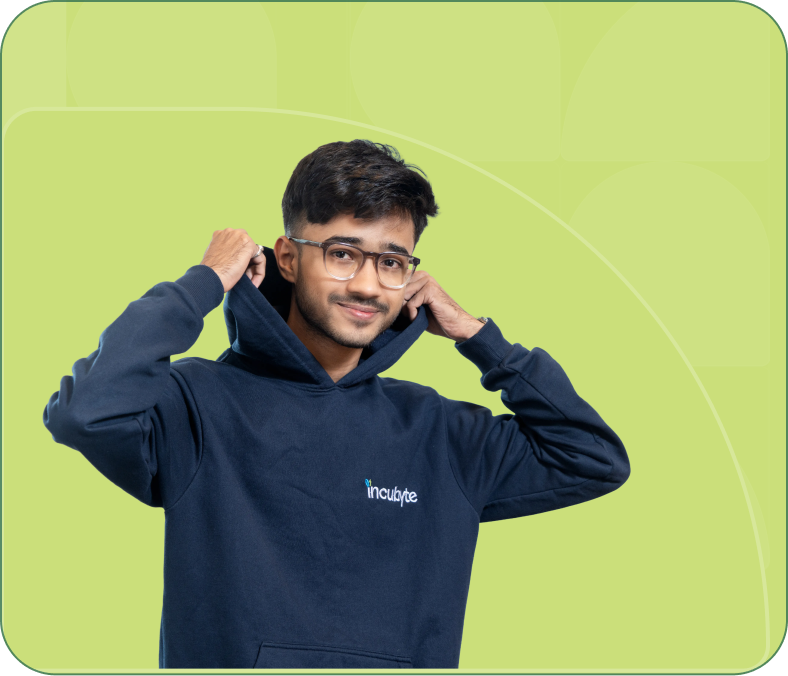
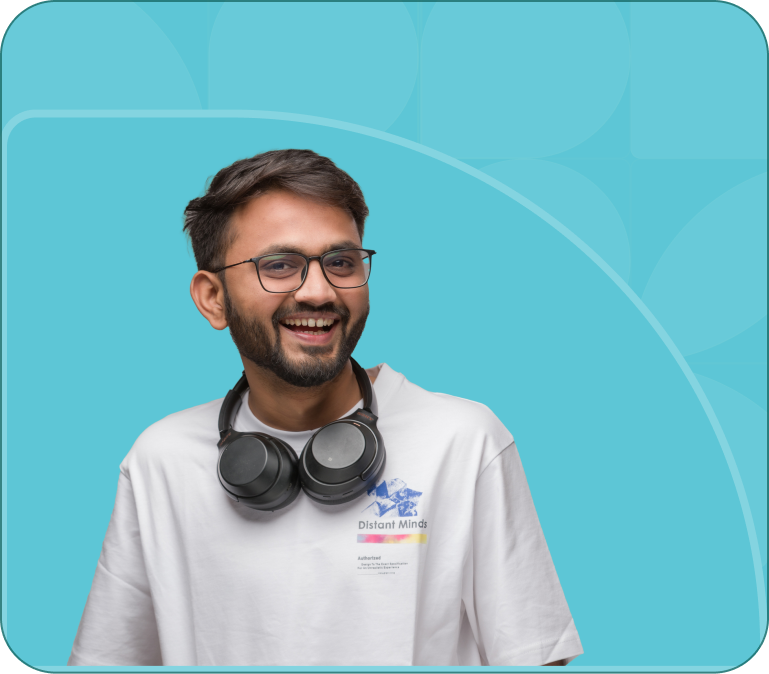
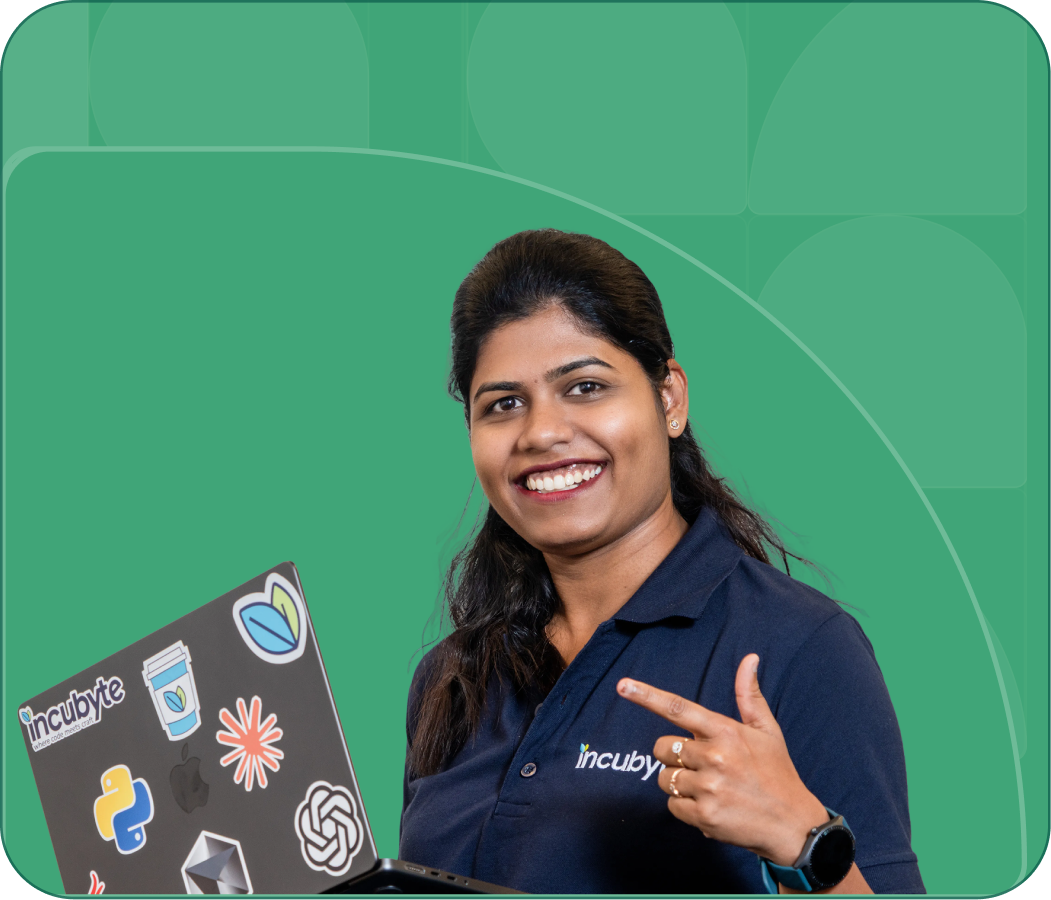
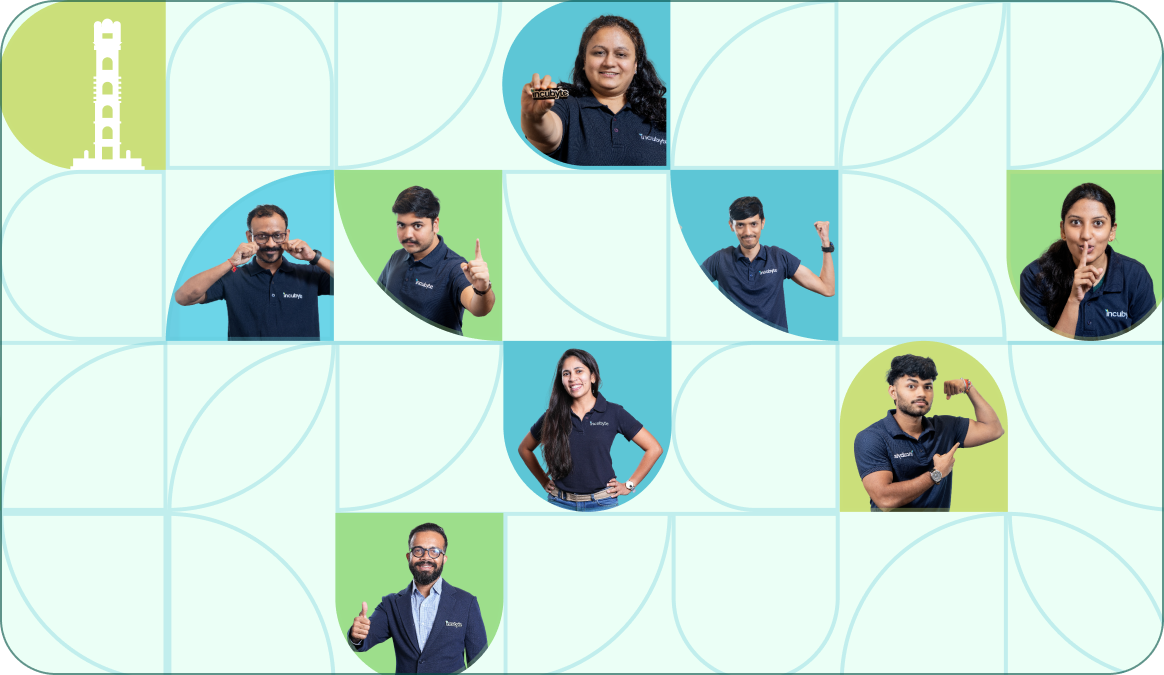
In our latest batch, we hired 14 interns. Eleven of them are now full-time Software Craftspeople. We asked them what the journey was really like, and what they’d tell the next person in their shoes. This is their story, in their own words.
We expected DSA. We got a codebase.
Almost everyone walked in braced for the usual: timed coding tests, rapid-fire theory, and a leaderboard. Jatin expected multiple technical rounds on data structures, algorithms, and rapid problem-solving. Avani thought it would be a traditional interview testing her technical knowledge.
What they got was closer to a normal day of work at Incubyte.
As Swaraj put it: “It was like we were solving a problem together.”
Three days, one small app, and a lot of tests
It started with a take-home assessment, a small application built test-first in three days. The catch is, more features don’t win. That meant Red-Green-Refactor, real tests, small commits, and a README someone could follow. And yes, AI is allowed. Incubyte is an AI-first company, but you have to show how you used it.
Ram built his with Claude, ChatGPT, and Cursor, but said that wasn’t the edge. “Really understanding the ins and outs of what I had built was the core.”
Aditya documented in his README exactly how AI sped him up. “It was highly appreciated by the evaluators,” he said.
Jatin sums it up:
“The focus was more on how we approached the problem and the quality of the code rather than the number of features we implemented.”
The interviews that felt like pairing sessions
After the assessment came four interviews, about an hour each. The format surprised everyone. Most of the coding happens with the interviewer, as a pair.
Nayan took one look at the list of rounds and thought, “Man… yeh toh nahi hoga!” (There’s no way I’m clearing this.) He cleared each one.
In the first technical round, the interviewer asked everyone to add a feature to their own assessment, test-first, while they shared their screen and thought out loud. Pratham remembers being nervous because it was the first Incubyte person he’d ever met. “He did a great job of breaking the ice,” Pratham said, and by the next round, pairing felt natural.
Nayan and his interviewer turned out to be fans of the same chess YouTuber, and the nerves vanished once they got talking about it.
The craft round goes deeper. Aditya built a discount-coupon system live, schema and all. The interviewers asked Saksham how he’d design a library’s database from scratch. Nayan went deep on Kafka and system design.
The tech discussion rounds are about understanding the why.
Maharshi described it as “a raw discussion of the thoughts and understanding of the tech we are working with. Why this database? What’s the alternative? What would you change?”
The HR round is about how you work with people. The interviewer asked both Aman and Aditya how they’d give feedback to a teammate who’s always five minutes late. Someswara had to explain JWT to a non-technical listener.
The same thing stood out across every round. In Someswara’s words, “if you get stuck while heading in the right direction, the interviewers step in to brainstorm and unblock you.” Pratham summed it up.
“The values I had read on Incubyte’s website were visible in how the interviewers themselves behaved. For me, this was a big green flag.”
What got them through
It wasn’t a fancy resume. Nearly everyone said the same thing: know what you’ve written, deeply.
Saksham learned this the fun way. “Almost every line on my resume could turn into an interview question. Mention Next.js, and you’ll talk about server-side rendering. Mention PostgreSQL, and you’ll explain why not NoSQL.” Swaraj’s advice is blunter: “Don’t lie in your resume.”
Both Maharshi and Pratham credit knowing their own project inside out, able to explain every decision in the code they submitted.
Nayan’s advice: when you don’t know something, say “Not sure about this, can I make an educated guess?” Never fake it.
Pratham may have said it the best: “Surprisingly, the process itself made me a better engineer.”
Then the real work began
After the offer comes a one-month in-person bootcamp, followed by five months of remote work. Nobody pretends it’s easy. “It’s not at all a bed of roses,” Nayan says, and he quotes our founder, Sapan: “We can only direct you towards the water, but only you can drink the water.”
The surprises were mostly good ones. Maharshi thought his job would be about doing what he was told, in a quiet corner by himself. Instead, he found that he was expected to work in the open and talk to the client directly. Swaraj learned that you don’t just do your job, you help others too.
Saksham, who once pictured himself as the lone coder in a black hoodie, found something better:
“Turns out, what I was really looking for was the opportunity to build cool things with cool people.”
If you asked the batch to sum it all up, you’d hear words like Learning, Growing, Intense, Overwhelming, Rewarding, and Red. Green. Refactor.
If you’re applying next
The process is the same on campus and off campus: registration, a pre-placement talk, the three-day assessment, then the technical, craft, tech lead, and HR rounds. Every round is eliminatory.
Their advice in one breath: Know your resume and your project inside out. Use AI, and understand every line it writes. Think aloud. And as Aman says, “treat the interview as an opportunity to learn and grow rather than a burden to push through.”
Start here: Why Incubyte? · Incubyte TDD Assessment · A Practical Approach to TDD · Mastering Code Through Katas · Learnings From Clean Code · 12 Books Developers Must Read