AI MODERNIZATION

Your codebase decides whether AI pays off.
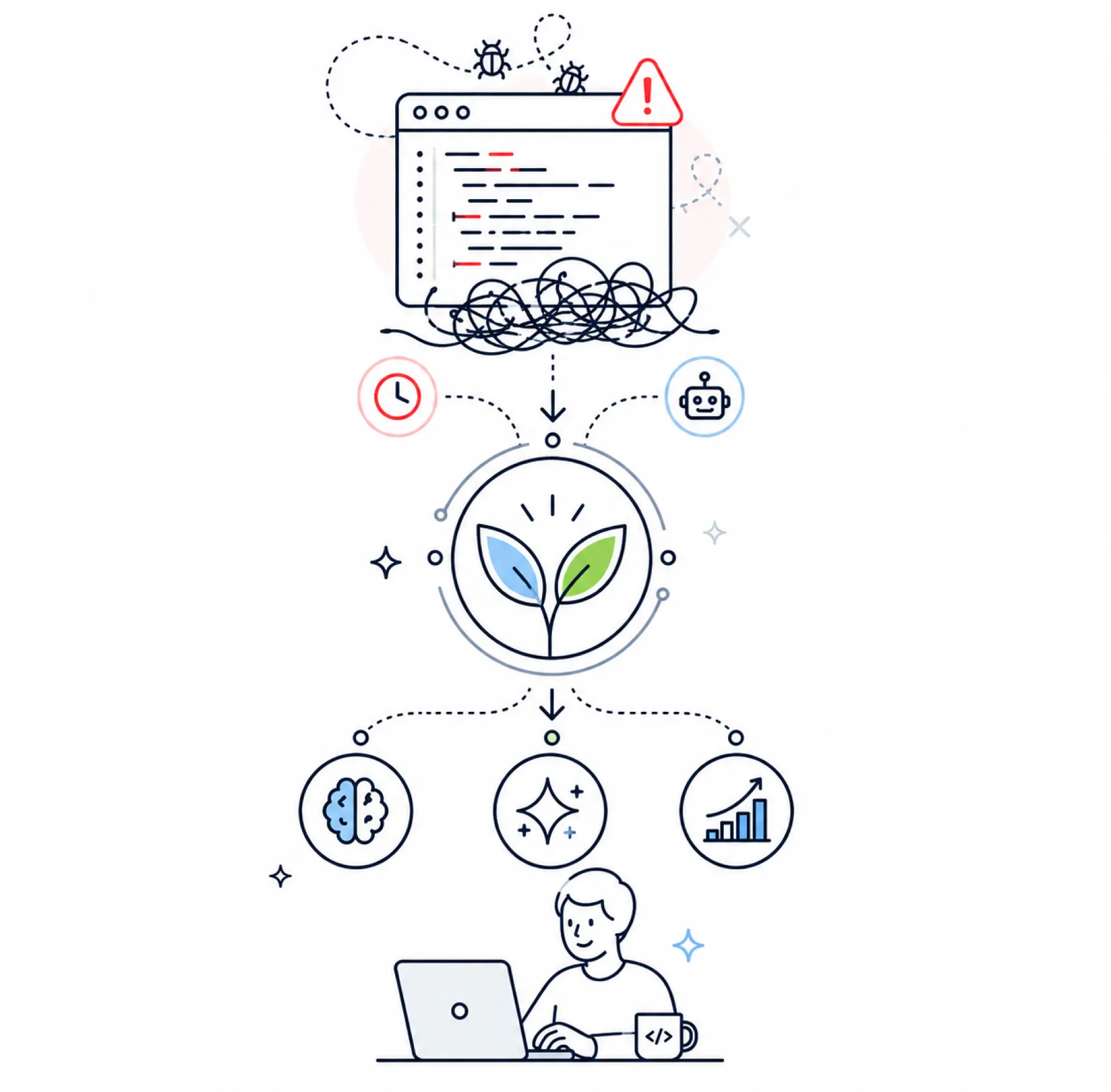
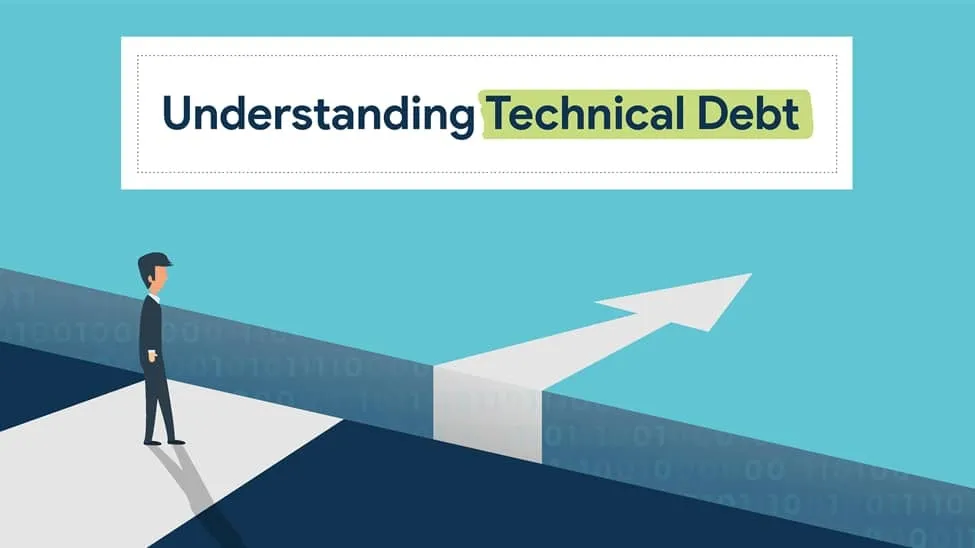
Tech debt slows your engineers and stalls your agents. We modernize the codebase for both. The same craftspeople ship the AI features that follow.

HealthyAI

90 days idea to production.

Kyruus

Enterprise RAG live in two weeks.

Rolai

Legacy to AI-enabled.

Modernization used to be optional. AI made it the bottleneck.
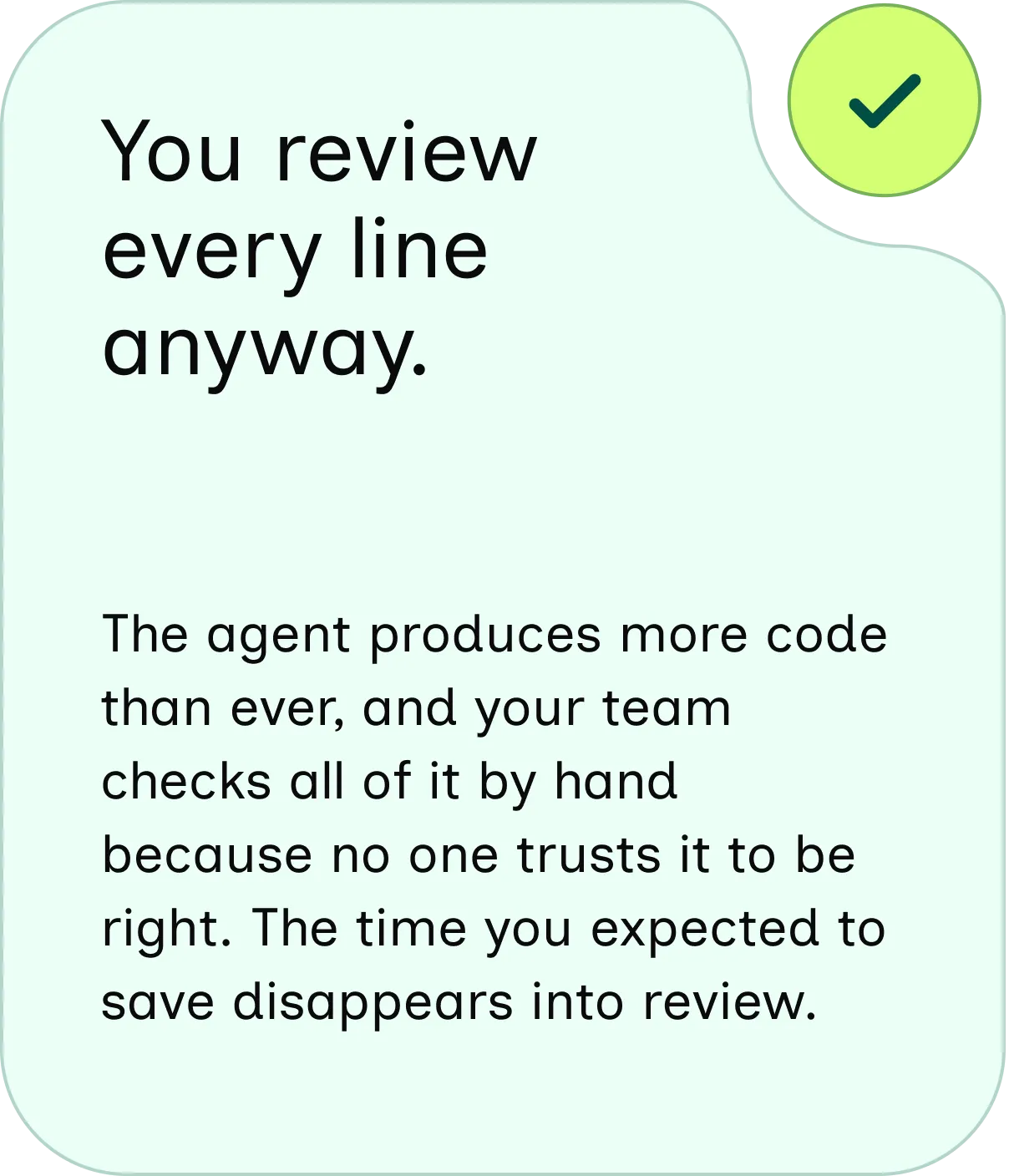
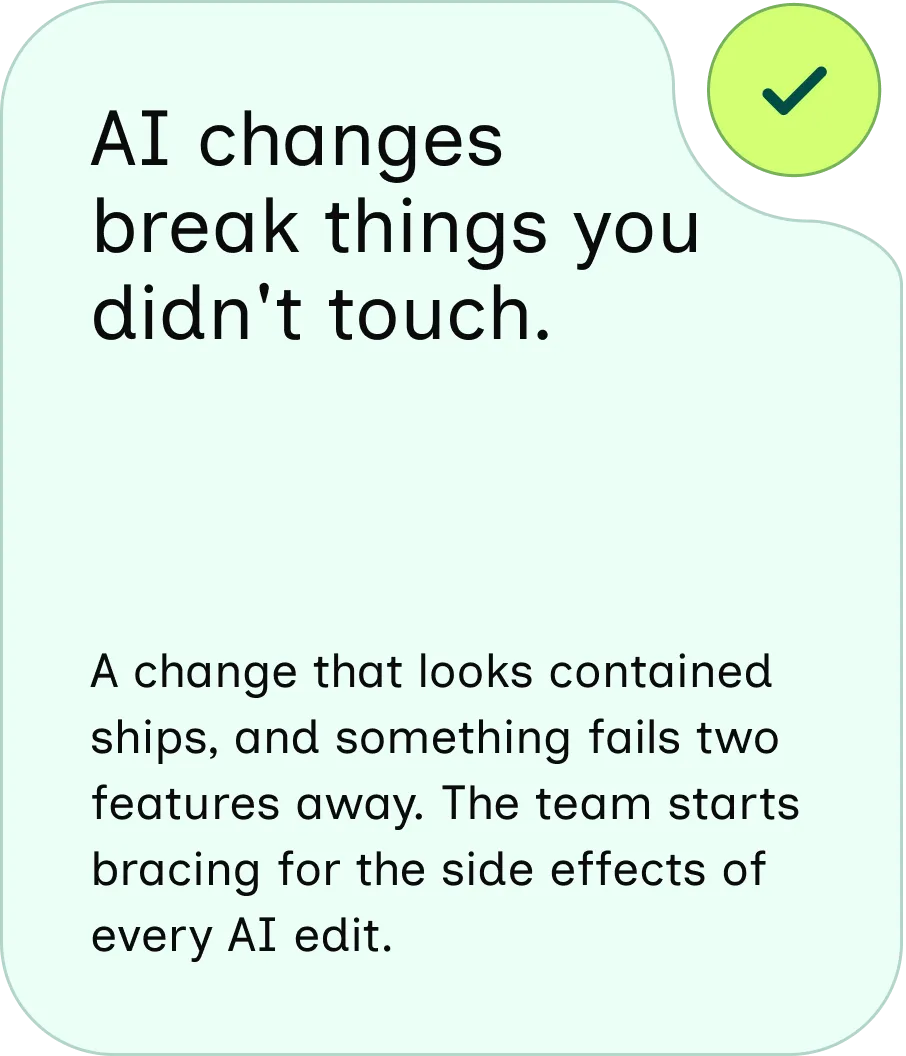
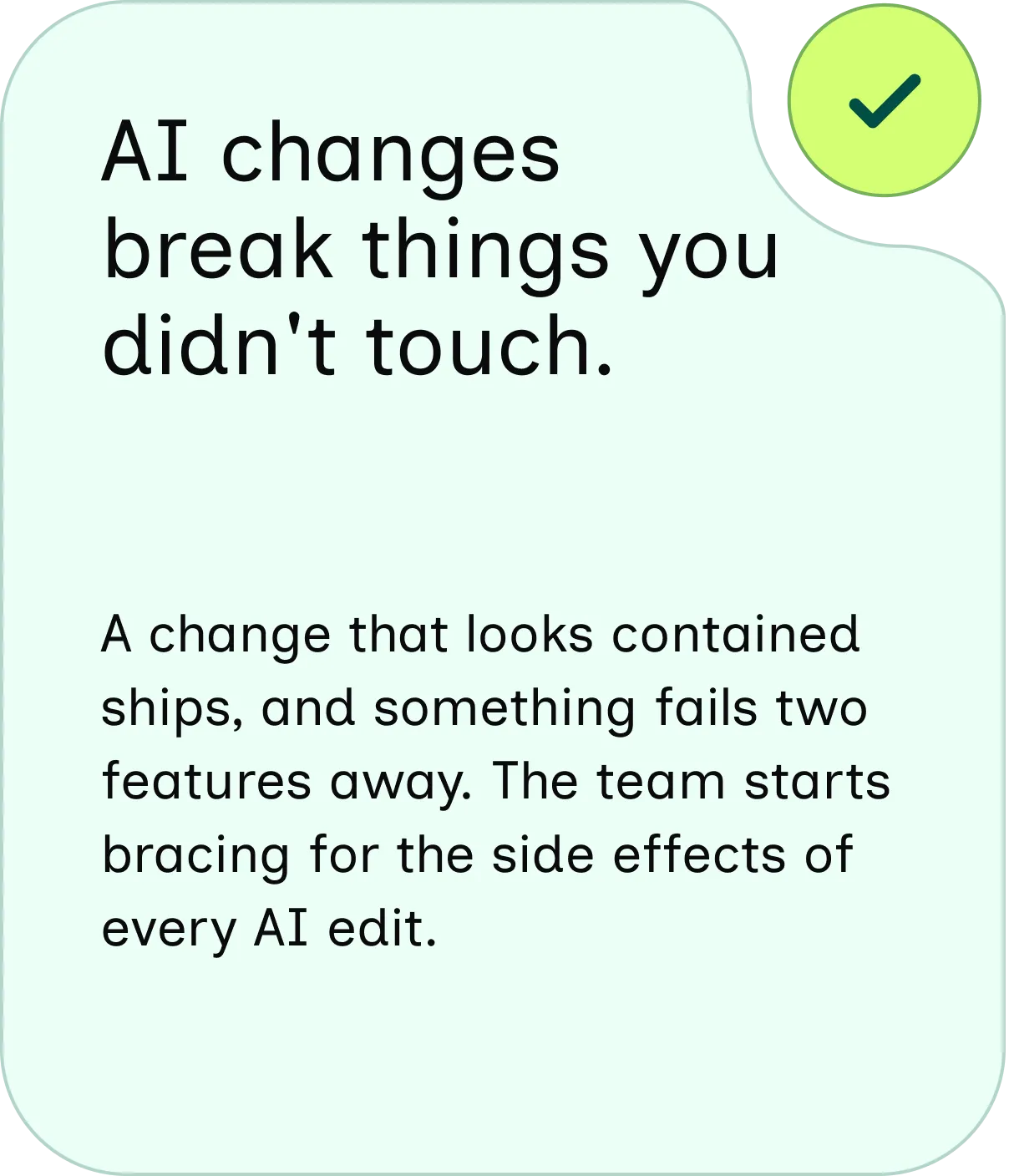
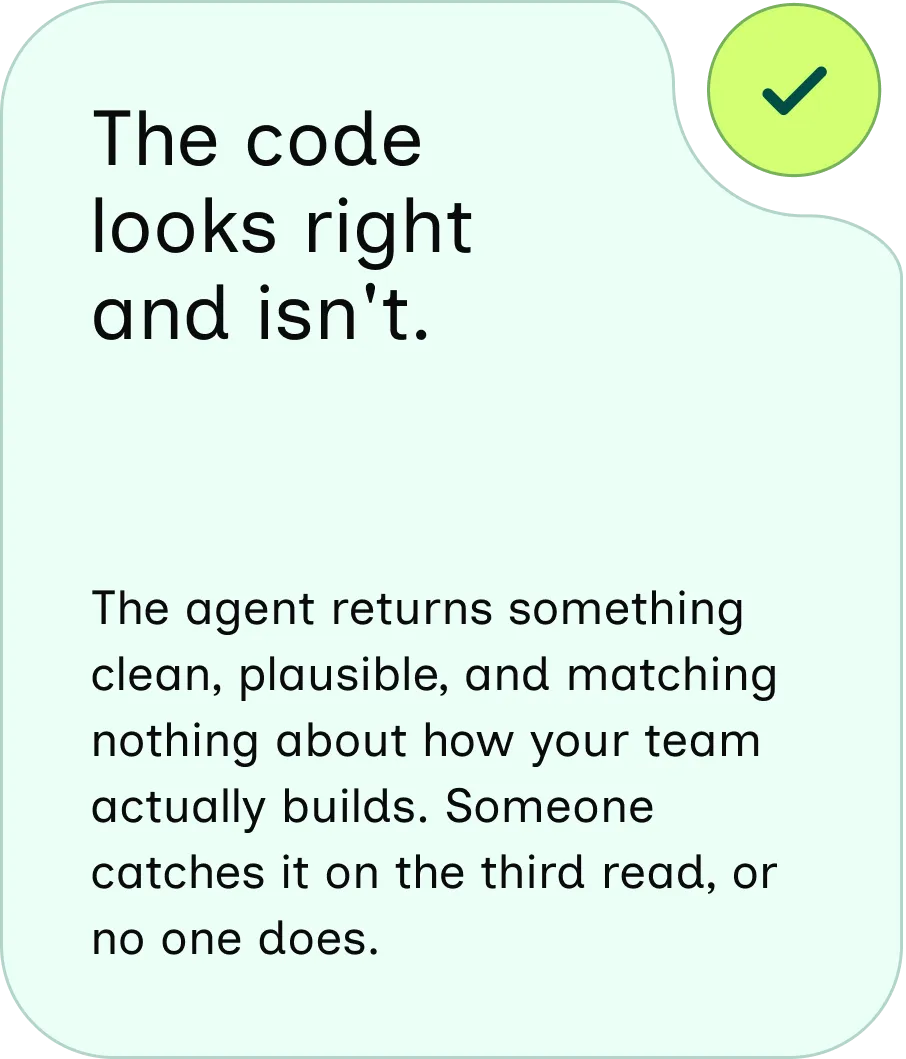
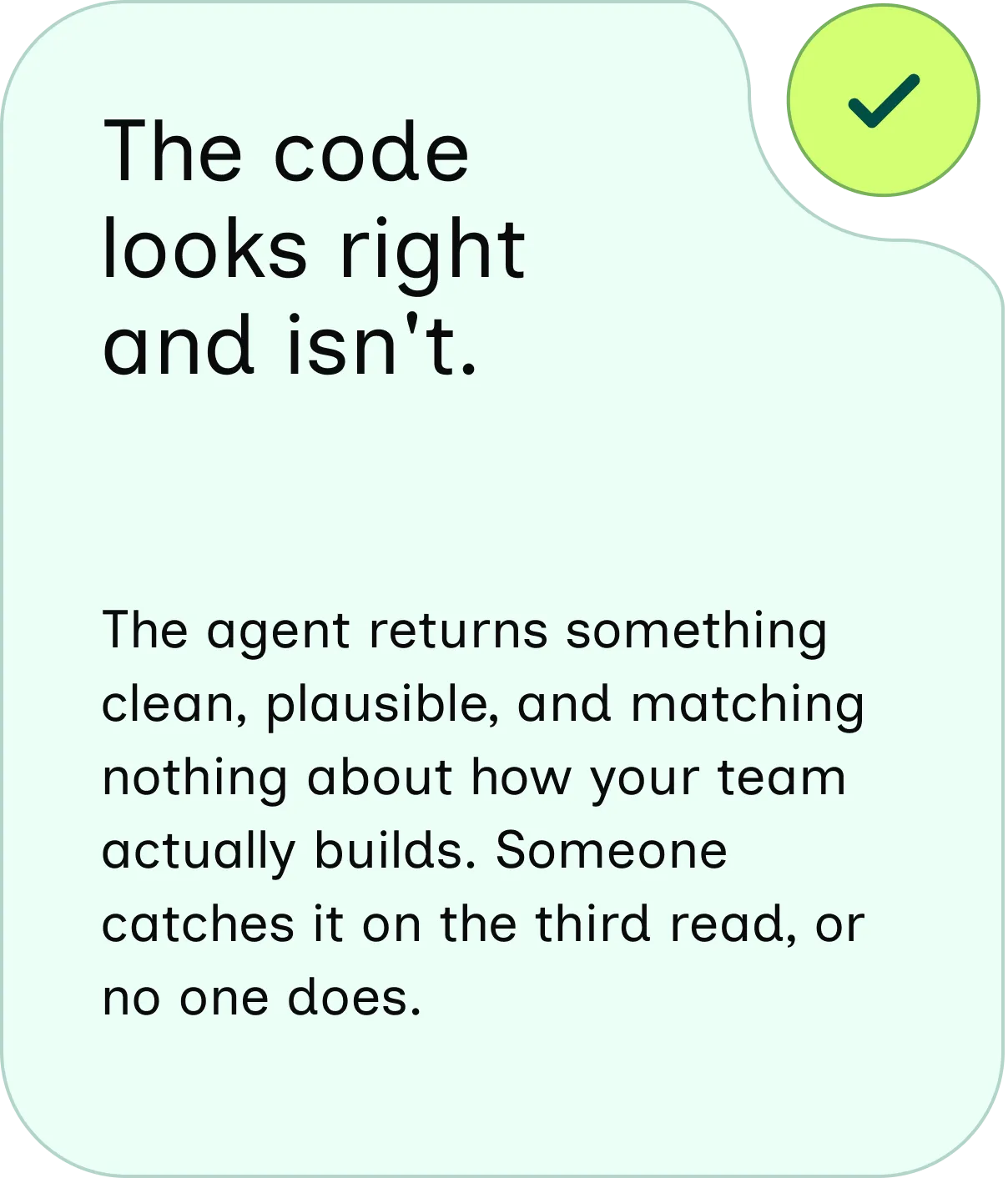
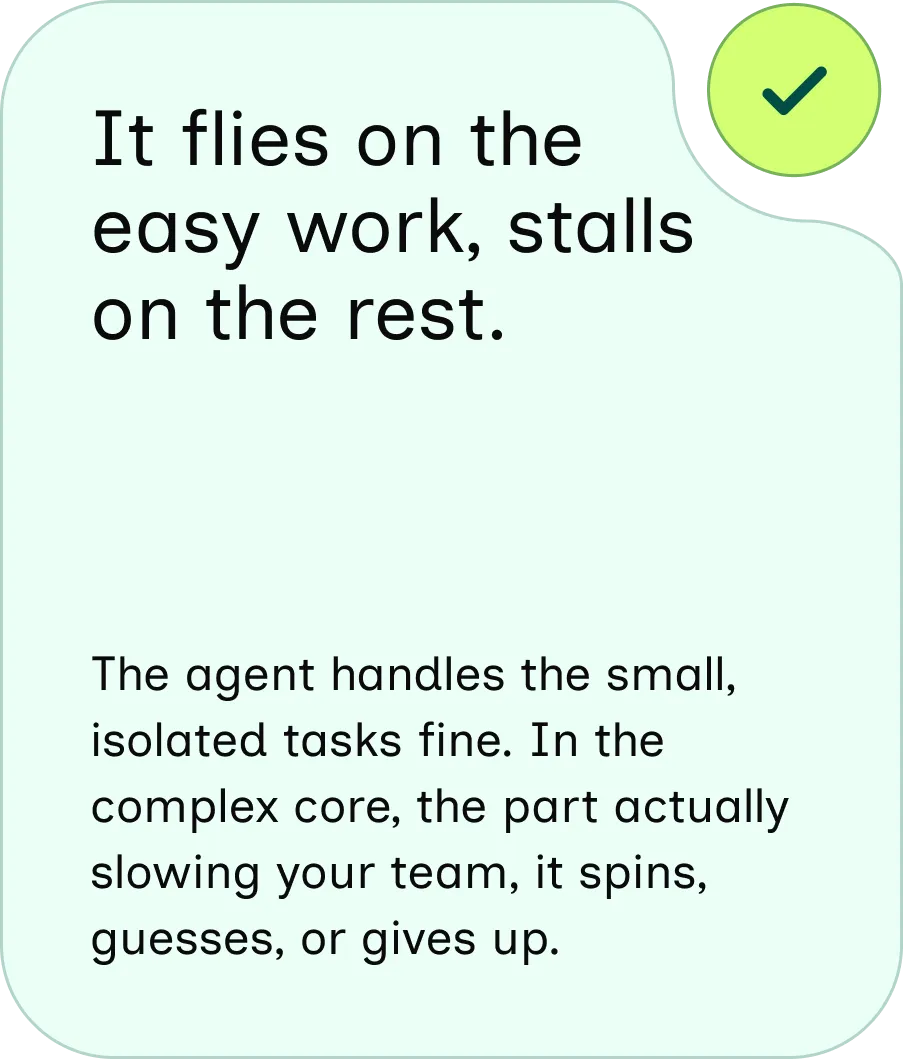
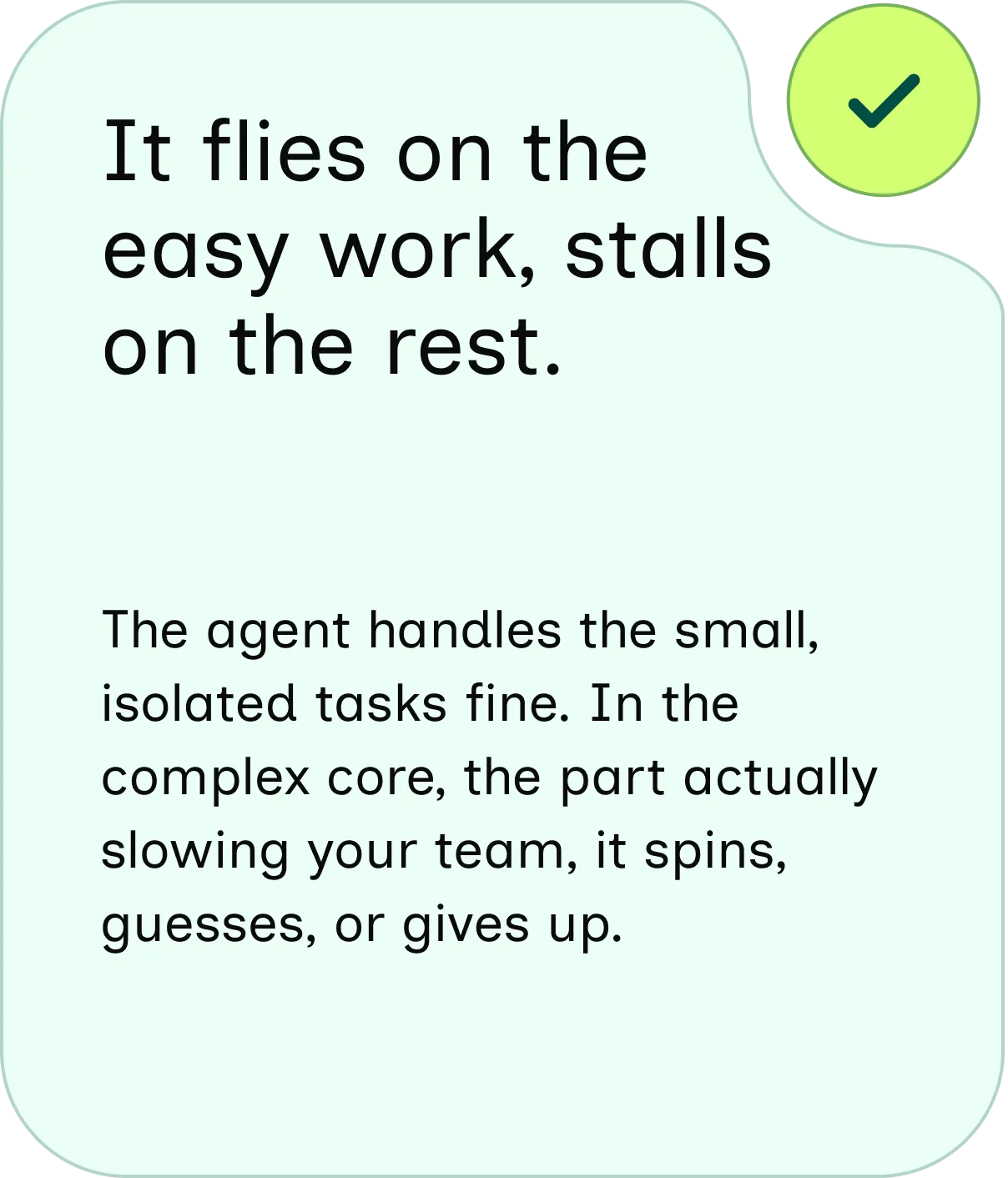
Quick signs your codebase is blocking the AI tools your team has already paid for.

We don't refactor without a net

We refactor what's stopping you.
Old code can stay old if it's out of the way.

We sequence the work by payoff. Production stays live throughout.

Restructured for agents.

Codebases agents can read and reviewers can approve.

Tech debt remediation.

The foundation that makes every other refactor safe.

Front-end and design systems.

The UI layer forward, with accessibility and performance baked in.

Legacy stack modernization.

Architectural moves run strangler-style. Production stays live.

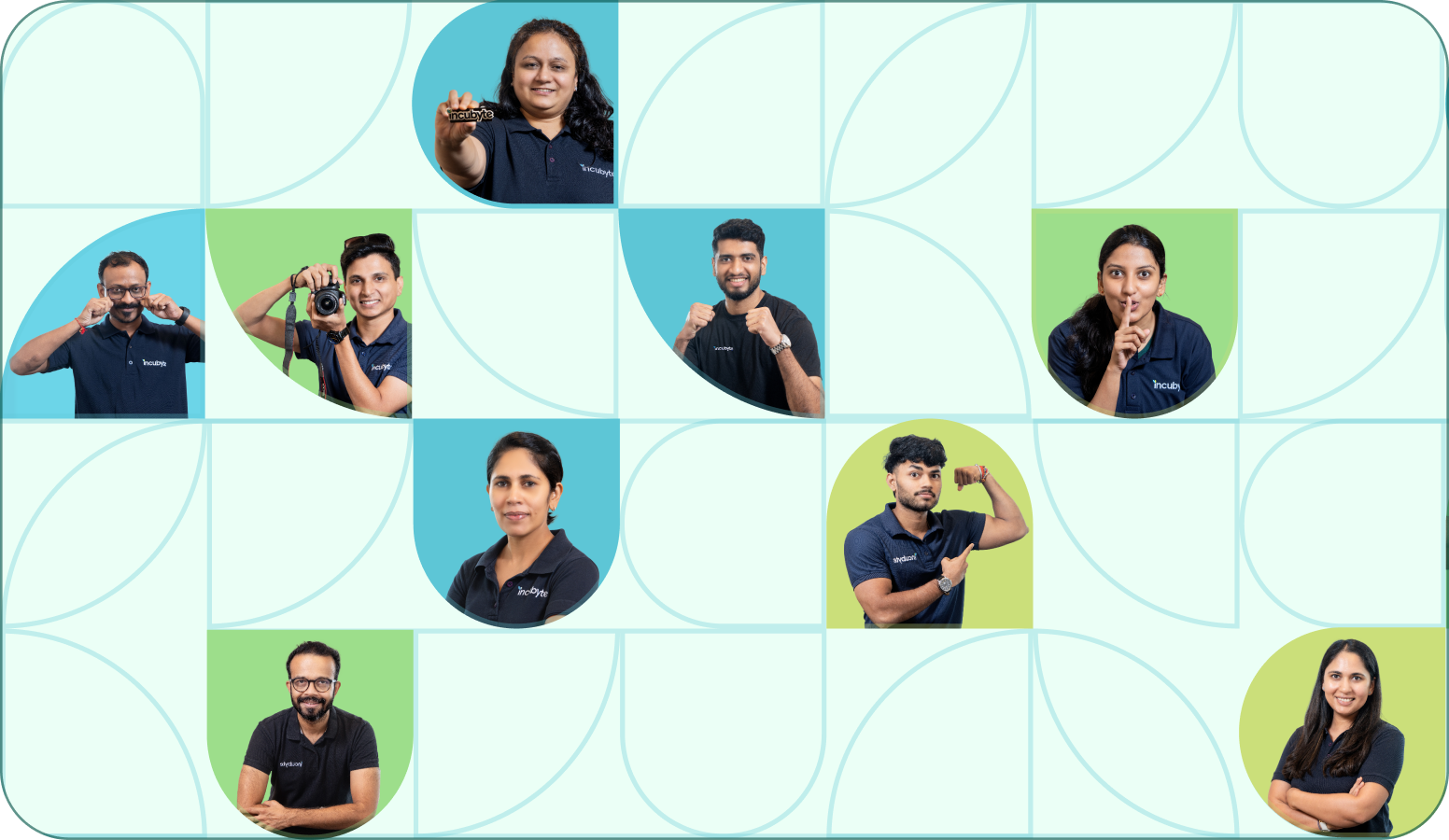
The team that modernizes 
is the team that ships the AI.

Decisions made knowing what your codebase has to become.

Same pod strangles the monolith, then ships the agent that runs in its place.

Same engineers refactor the oversized classes, then build the AI eval harness.

We use coding agents on this work. Every rough edge gets caught here first.

Modernization with a finish line for every move.

Measured by code health, DORA delivery metrics, and quarterly reviews. Modernization is ongoing.
01

Audit before action.

We map the codebase first, scoring change frequency against complexity to find the hotspots.
OUTCOMES
Within the first few months, the first strangled module retires. Test coverage hits a baseline. The team stops avoiding the worst parts.
02

Strangle the worst piece first.

We start with the worst-paying piece, the one slowing the team most. Production stays live throughout.
OUTCOMES
By Quarter 2, cycle time visibly drops. Agents stop rewriting the same patterns. Reviewers stop catching the same drift.
03

Hand off and continue.

We hand off with ADRs, refactor notes, and a roadmap. Your team owns the modernized layer end to end.
OUTCOMES
By Year 1, the codebase barely resembles where you started. Refactors land within a sprint. AI features ship in days.

Timelines are indicative.

Built into systems already running.

AI features now ship on top of the layers we rebuilt.

51%

cycle time cut. Code
review cut 55%.
Verdant v3 component library shipped. Modern foundation underneath every new AI feature. The call we made: rebuild the design system before touching features. Slower in month one, faster every month after. AI features and clinical surfaces now ship side by side without slowing the platform underneath.

2 x

mobile impressions.
Direction requests up 235%.

Four months. Rebuilt mobile-first instead of patching desktop. SEO and clinical data plumbing rebuilt together. Built to hold under No Surprises Act directory rules, and ready for the agent-driven directory search that will run on top of it next.

Modernization is the first move in a longer arc.

Once your codebase is ready, the rest of Incubyte’s work flows faster.

51%

cycle time cut. Code
review cut 55%.

Guardrails, tooling, quality gates, autonomous coding agents. Customized to your standards. Fixed scope, one-time setup. Most Modernization engagements continue alongside Enablement. Both keep shipping.

2x

cycle time cut. Code
review cut 55%.

Four months. Rebuilt mobile-first instead of patching desktop. SEO and clinical data plumbing rebuilt together. Built to hold under No Surprises Act directory rules, and ready for the agent-driven directory search that will run on top of it next.

Modernization is the first move in a longer arc.

Once your codebase is ready, the rest of Incubyte’s work flows faster.

Install the playbook on a codebase that is ready.

Guardrails, tooling, quality gates, autonomous coding agents. Customized to your standards. Fixed scope, one-time setup. Most Modernization engagements continue alongside Enablement. Both keep shipping.

Build AI features into a codebase you trust.

Custom AI products, agents, RAG, MCP, integration. Pod-based engagements that ship in 30 to 90 days. Many come to us for this and find they need Modernization first.

Modernization is the first move in a longer arc.

Once your codebase is ready, the rest of Incubyte’s work flows faster.

Install the playbook on a codebase that is ready.

Guardrails, tooling, quality gates, autonomous coding agents. Customized to your standards. Fixed scope, one-time setup. Most Modernization engagements continue alongside Enablement. Both keep shipping.

Build AI features into a codebase you trust.

Custom AI products, agents, RAG, MCP, integration. Pod-based engagements that ship in 30 to 90 days. Many come to us for this and find they need Modernization first.

Tell us what's slowing your codebase.
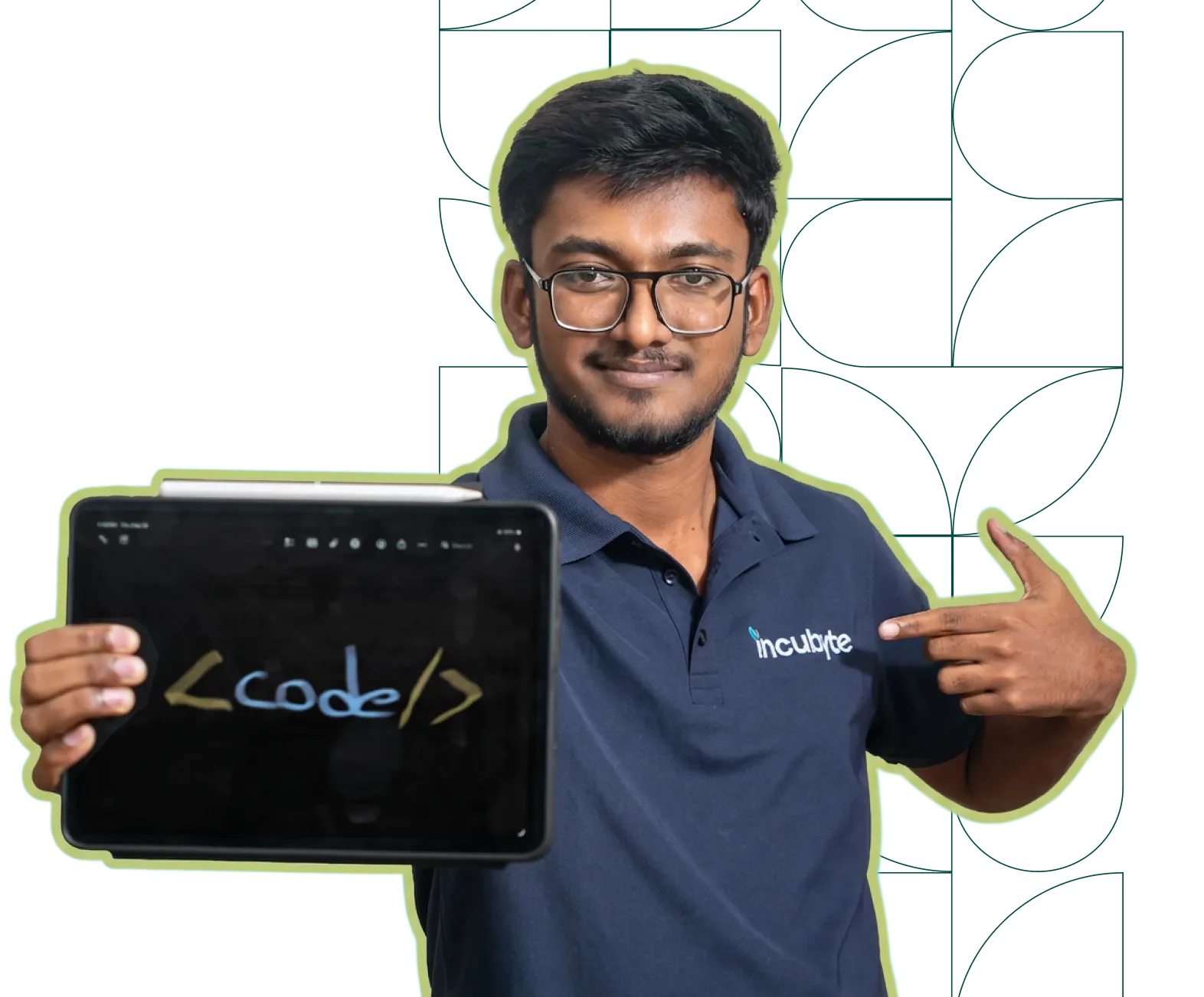
Bring the stack, the size, the AI tools your team is using, and where they are stalling. Founders read every inbound. Reply within two business days.
Field notes on modernizing in the agent era.

Questions engineering leaders ask before they modernize.

Questions engineering leaders ask before they modernize.

Does production stay live throughout?
Yes, and that is the whole point of working strangler-style. New code grows alongside old, and the old retires only when the new is proven in production.
Yes. Most of our modernization work runs inside health tech, so audit boundaries, PHI handling, identity, and consent are scoped from day one.
PHI and PII stay inside your boundary, and any move that touches regulated data passes through your compliance team before it lands.
Sprint by sprint, with each sprint scoped to a destination set at the start and each quarter reviewed against the metrics. T&M here means continuous, not unbounded, and you can stop at any handoff.
The first phase runs eight to sixteen weeks. The relationship runs longer where the codebase keeps generating work. Most clients renew quarterly against new modernization destinations.
Yes. The pod that runs your audit runs your refactor. There is no rotating bench.
We are India-headquartered, and our working day overlaps US business hours, so we are in your standups live.
Scope it to a single destination and we hand off when you reach it. Many engagements start that way and renew once the team sees the curve.
It is modernization aimed at a destination. We refactor and restructure your codebase knowing what has to ship on top of it: the AI features, the agents that will read it, the compliance that will audit it. The work runs strangler-style inside live production systems.
Legacy stack modernization, tech debt remediation, front-end and design systems, and code restructured for agents. Database migrations, framework upgrades, API modernization, and dependency cleanup live under those. If your stack carries something not named here, send it over.
Most of what we modernize is older than ten years. The older the codebase, the more the audit usually surfaces.
No. The strangler discipline exists so it never has to. A refactor that cannot land safely waits until the tests around it make it safe.
Yes. Database migrations to modern data layers sit inside the Legacy stack modernization lane.
The codebase work that makes agents effective lives here: complexity reduction, smaller files, cleaner dependency graphs, consistent conventions. The artifact layer agents read, AGENTS.md, CLAUDE.md, and ADRs as an entry point, lives on AI Enablement.
Week one is the audit: codebase walkthrough, dependency map, test coverage reading, complexity heatmap. The first sprint’s destination is set at the end of it, and the first refactor lands in week two.
Whatever your stack and compliance need: closed-source frontier models where reasoning demands it, open models where data or cost does.
You own everything we modernize from the moment it lands, and we hand off operational ownership progressively. By the end of the engagement your team runs the modernized layer without us.
Yes. We embed next to in-house engineers cleanly, and the audit and destination work is useful whether or not we end up doing the refactor.
Most engagements continue into Enablement. Once the codebase is ready, the playbook installs faster.
Sometimes it runs the other way: several teams come to Incubyte for Product Engineering and discover they need Modernization first.
Yes, with the same pod across the whole arc: Modernization, then Enablement, then Product Engineering as the scope evolves.
Does production stay live throughout?
Yes, and that is the whole point of working strangler-style. New code grows alongside old, and the old retires only when the new is proven in production.
Yes. Most of our modernization work runs inside health tech, so audit boundaries, PHI handling, identity, and consent are scoped from day one.
PHI and PII stay inside your boundary, and any move that touches regulated data passes through your compliance team before it lands.
How does time-and-materials pricing work here?
Sprint by sprint, with each sprint scoped to a destination set at the start and each quarter reviewed against the metrics. T&M here means continuous, not unbounded, and you can stop at any handoff.
The first phase runs eight to sixteen weeks. The relationship runs longer where the codebase keeps generating work. Most clients renew quarterly against new modernization destinations.
Yes. The pod that runs your audit runs your refactor. There is no rotating bench.
We are India-headquartered, and our working day overlaps US business hours, so we are in your standups live.
Scope it to a single destination and we hand off when you reach it. Many engagements start that way and renew once the team sees the curve.
What is AI Modernization at Incubyte?
It is modernization aimed at a destination. We refactor and restructure your codebase knowing what has to ship on top of it: the AI features, the agents that will read it, the compliance that will audit it. The work runs strangler-style inside live production systems.
Legacy stack modernization, tech debt remediation, front-end and design systems, and code restructured for agents. Database migrations, framework upgrades, API modernization, and dependency cleanup live under those. If your stack carries something not named here, send it over.
Most of what we modernize is older than ten years. The older the codebase, the more the audit usually surfaces.
No. The strangler discipline exists so it never has to. A refactor that cannot land safely waits until the tests around it make it safe.
Yes. Database migrations to modern data layers sit inside the Legacy stack modernization lane.
The codebase work that makes agents effective lives here: complexity reduction, smaller files, cleaner dependency graphs, consistent conventions. The artifact layer agents read, AGENTS.md, CLAUDE.md, and ADRs as an entry point, lives on AI Enablement.
What does month one look like?
Week one is the audit: codebase walkthrough, dependency map, test coverage reading, complexity heatmap. The first sprint’s destination is set at the end of it, and the first refactor lands in week two.
Whatever your stack and compliance need: closed-source frontier models where reasoning demands it, open models where data or cost does.
You own everything we modernize from the moment it lands, and we hand off operational ownership progressively. By the end of the engagement your team runs the modernized layer without us.
Yes. We embed next to in-house engineers cleanly, and the audit and destination work is useful whether or not we end up doing the refactor.
Does this lead to AI Enablement?
Most engagements continue into Enablement. Once the codebase is ready, the playbook installs faster.
Sometimes it runs the other way: several teams come to Incubyte for Product Engineering and discover they need Modernization first.
Yes, with the same pod across the whole arc: Modernization, then Enablement, then Product Engineering as the scope evolves.